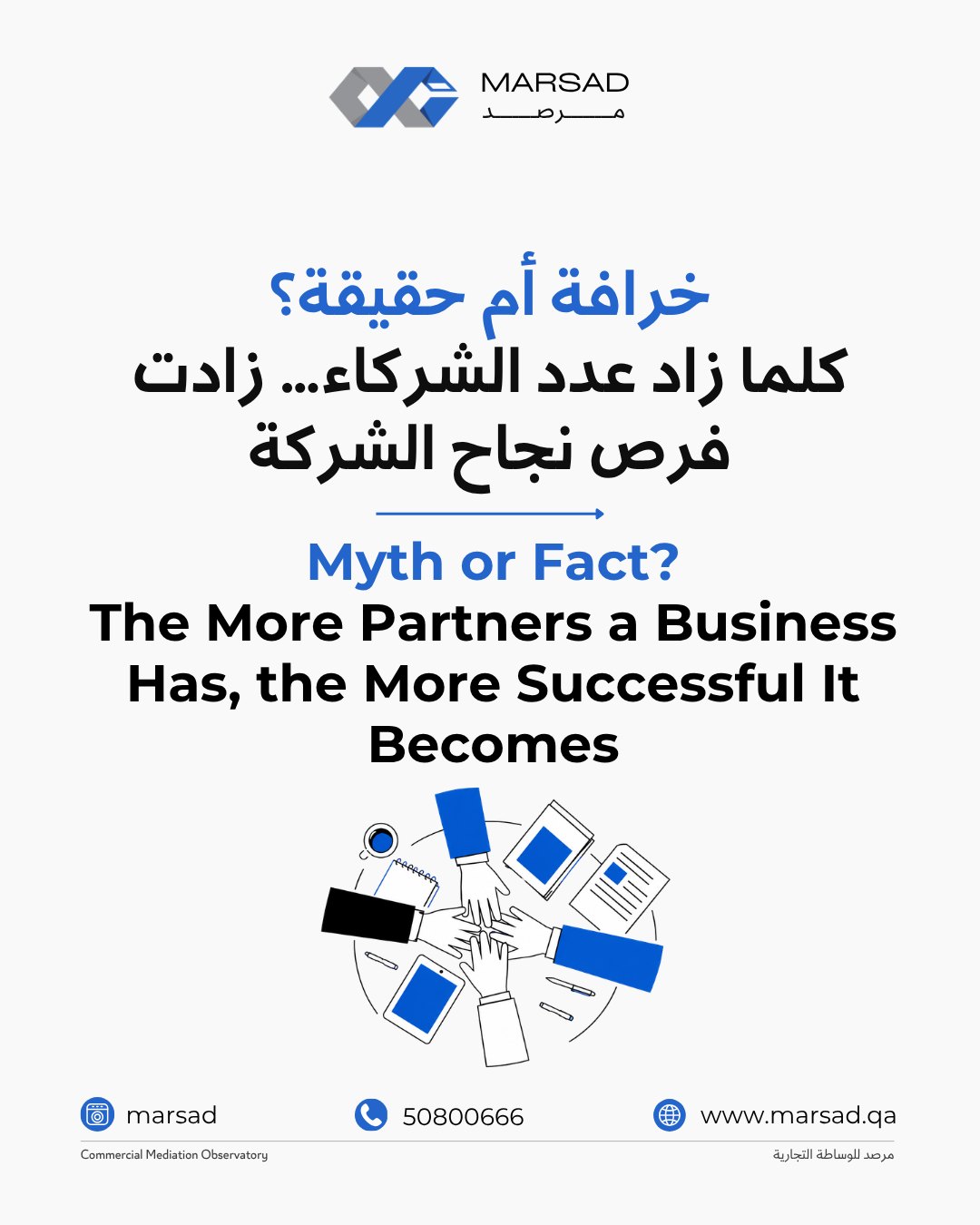
A partner isn't always the fastest fix
When a business faces limited funding or struggles to scale, bringing in a partner may seem like the quickest solution. But a partnership is a long-term commitment that is hard to unwind. It changes ownership, management and the way decisions are made. So the right question isn't 'Who should my partner be?' It is 'What does my company actually need?'
Identify what your company truly needs
Before looking for a partner, be honest about whether the business needs:
- Additional capital?
- Specialised expertise?
- A professional network that opens new doors?
- Operational capabilities it currently lacks?
- Access to a new market?
You may need a financial partner when your growth strategy is clear but executing it requires additional funding. You may need an operating partner when the real challenge lies in management, expertise or execution. And if the problem can be solved through better organisation or stronger management, the answer may be a key hire, an adviser, a supply or distribution agreement, or financing that leaves ownership untouched.
Don't choose a partner on financial strength alone
Money alone doesn't make a partnership work. True compatibility also requires alignment on:
- Long-term vision: where does each party see the company in five years?
- Professional values: how customers, employees and commitments are treated.
- Decision-making approach: fast and flexible, or gradual and cautious?
- Risk tolerance: appetite for bold expansion versus steady, safer growth.
- Roles and responsibilities: who runs the business, who oversees it, and who decides.
Example: a partner injects significant capital but expects annual dividends, while the founder wants to reinvest profits into expansion. If that difference isn't discussed early, it can turn into a dispute that paralyses the whole company.
Agree on these points before you start
- Ownership structure and how each party's stake is valued.
- Decision-making authority, including which decisions need joint approval.
- Profit distribution and reinvestment policy.
- Dispute resolution mechanisms, before disagreements reach deadlock.
- Conditions for admitting new partners in the future.
- Exit terms for existing partners and how their stake will be valued.
These terms are best documented in a shareholders' agreement or articles of association reviewed by a qualified lawyer. Clarity at the outset costs far less than conflict later.
The right partner adds value
Don't bring in a partner to solve a problem that better organisation or stronger management could fix. The right partner can increase your company's value; the wrong one can multiply its challenges. A successful partnership doesn't begin with dividing ownership — it begins with a shared vision and a clear understanding of the value each partner brings.
How Marsad can help
Marsad Commercial Brokerage helps you diagnose what your business really needs before you look for a partner. Through our investor attraction, valuation and negotiation, and governance and compliance services, we help identify suitable partners, negotiate terms and put in place the governance framework that will guide the relationship.
Book a confidential consultation with Marsad at info@marsad.qa or +974 5080 0666.