Marsad Insights
19 articles on investment, deals, partnerships, franchising, and financial concepts — so you decide with confidence before any deal.
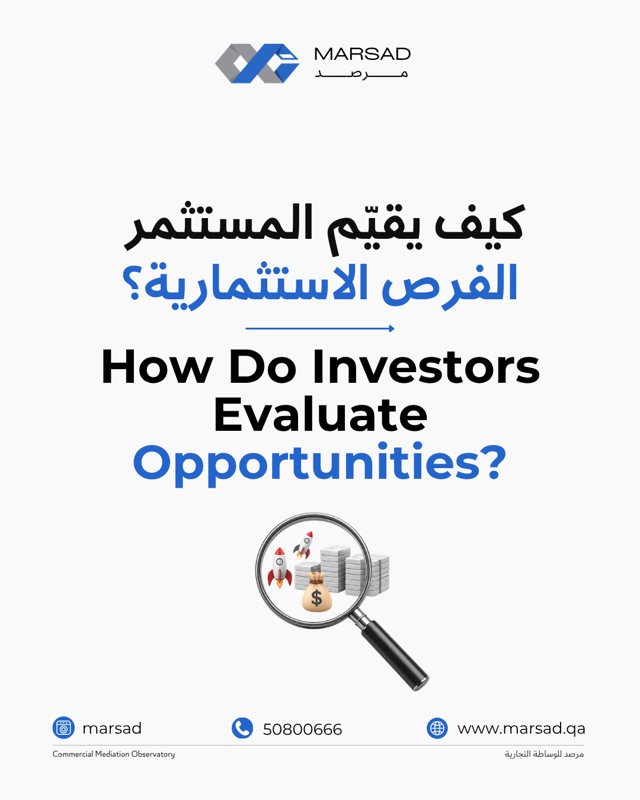
How Do Investors Evaluate Opportunities?
Investors don't buy ideas alone. They weigh the idea, the market, the team and the numbers to judge likely returns against the risks.
Read the full article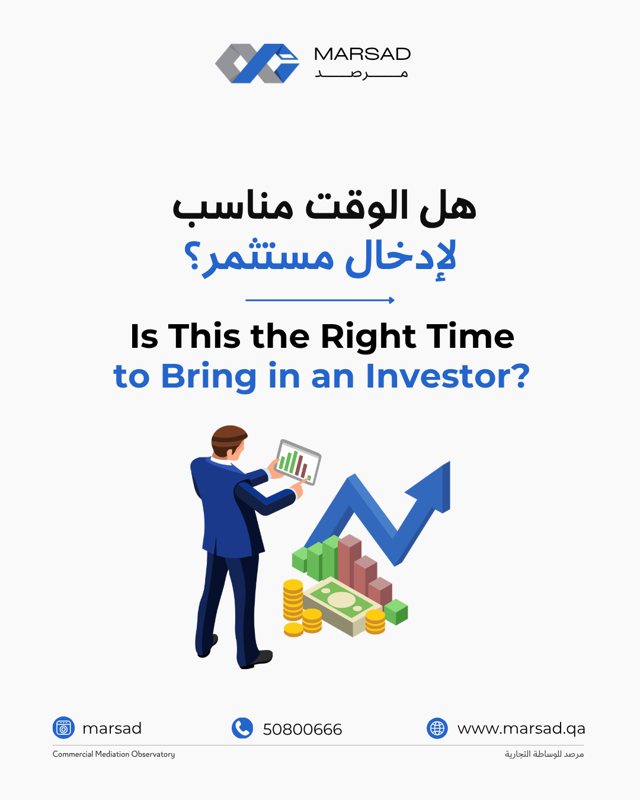
Is This the Right Time to Bring in an Investor?
Not every stage suits outside investment. The best time is when your business is ready to make the most of the capital, not just receive it.
Read the full article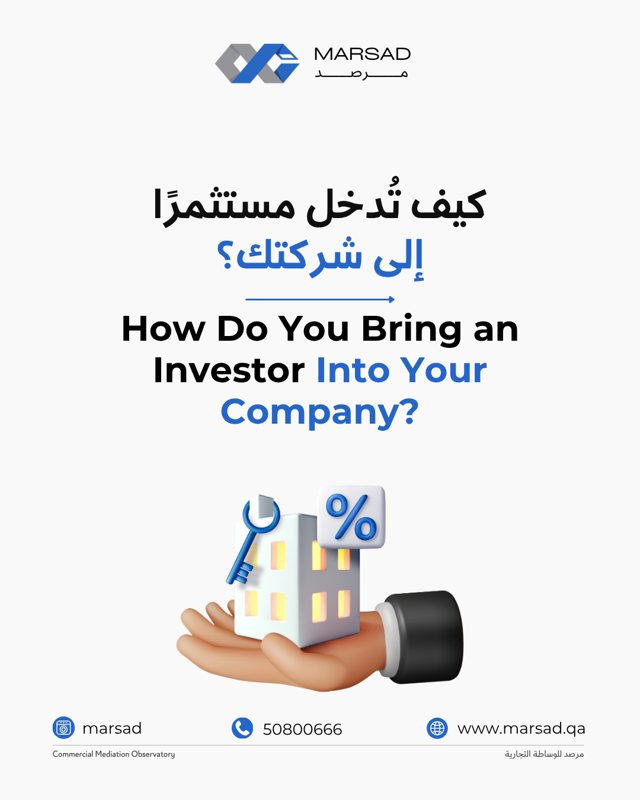
How Do You Bring an Investor Into Your Company?
An investor becomes a stakeholder in your ownership and decisions. Success starts with knowing why you need capital and ends with clear, agreed terms.
Read the full article
5 Mistakes That Can Stop Investors Funding Your Business
The problem may not be your idea but how you present it. Here are five common mistakes that undermine investor confidence, and how to avoid them.
Read the full article
A Great Idea... But Does the Market Really Need It?
Businesses don't succeed on great ideas alone. They succeed when they solve a real problem for customers willing to pay for the solution.
Read the full article
Why Do Some Business Deals Succeed While Others Fail?
Price alone rarely decides a deal. Trust, clarity and thorough preparation — starting well before the first meeting — usually do.
Read the full article
How Can a Business Intermediary Help Your Company Grow?
A business intermediary does more than connect two parties — they help build partnerships and opportunities that create lasting value for everyone.
Read the full article
Franchising: A Ready-Made Opportunity… But Is It the Right Fit for You?
A franchise gives you an established brand and a proven model — but buying a well-known franchise does not guarantee success.
Read the full article
Does Your Business Need a Partner… or a Different Solution?
Bringing in a partner can look like the quickest fix for limited funding or stalled growth — but partnership isn't the answer to every challenge.
Read the full article
Myth or Fact? The More Partners a Business Has, the More Successful It Becomes
Not necessarily. Successful partnerships depend on the quality of the partners and how well their roles fit together — not on their number.
Read the full article
When a Business Struggles… Does It Mean the Journey Is Over?
Setbacks can hit even successful companies. What makes the difference is an accurate diagnosis and making the right decisions early.
Read the full article
Return on Investment (ROI): How to Measure What Your Money Really Earns
A simple metric that compares net profit with the cost of an investment, helping you evaluate and compare opportunities before committing capital.
Read the full article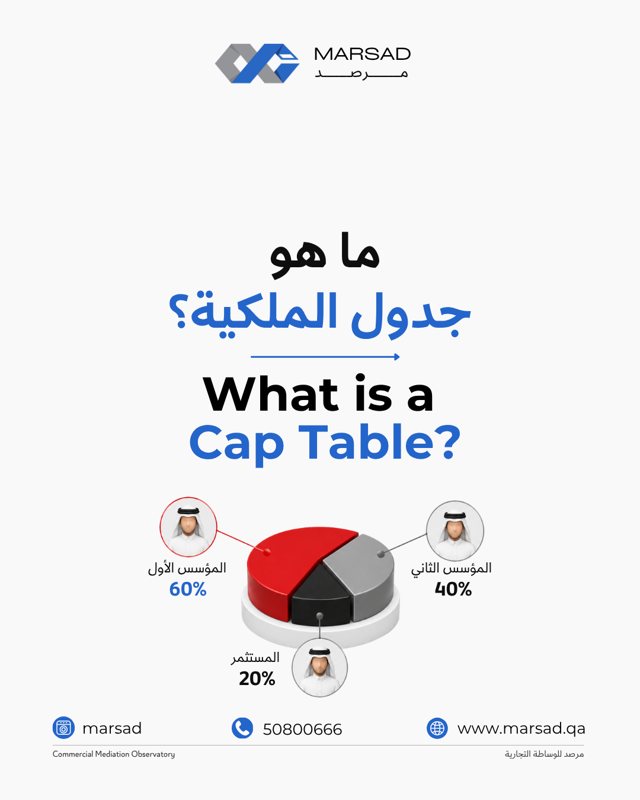
Cap Table: A Clear Map of Who Owns Your Company
A document showing a company's ownership structure and each shareholder's stake, and how new investors dilute existing owners.
Read the full article
Escrow Accounts: Protecting Deal Funds Until Every Condition Is Met
A neutral bank account where a trusted third party holds funds temporarily, releasing them only once agreed contractual conditions are fulfilled.
Read the full article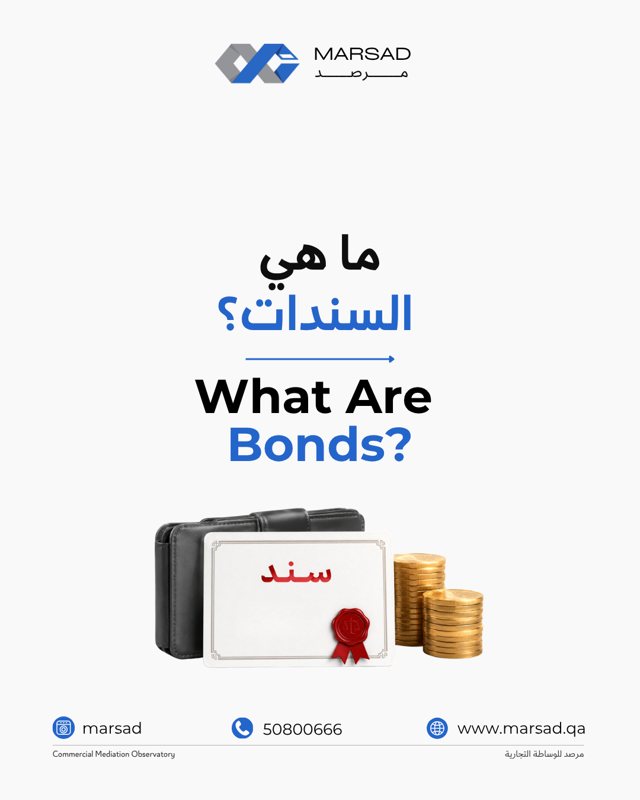
Bonds: Lending Your Money in Exchange for Predictable Income
Debt instruments through which governments and companies borrow from investors, paying periodic interest and repaying the principal at a set maturity date.
Read the full article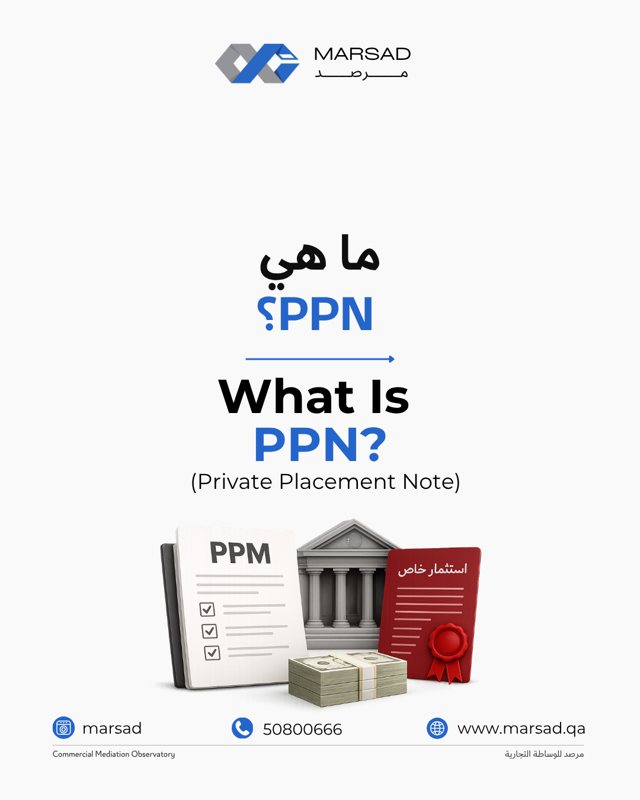
Private Placement Note (PPN): The Document Behind Every Private Investment Decision
An investment document that presents an opportunity to a limited group of qualified investors and gathers everything they need to decide.
Read the full article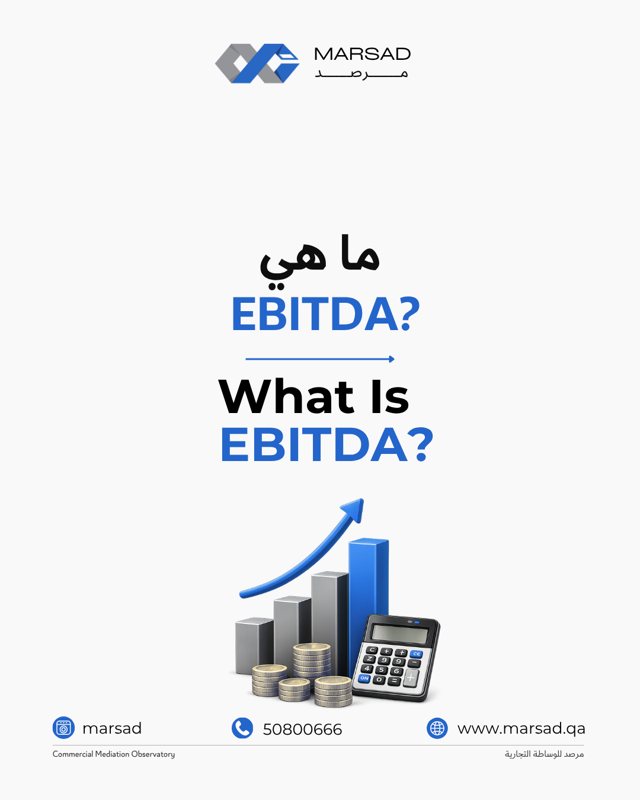
EBITDA: Measuring a Company's True Operating Profitability
A metric that shows what a company earns from its core operations before interest, taxes, depreciation and amortisation, widely used in valuation.
Read the full article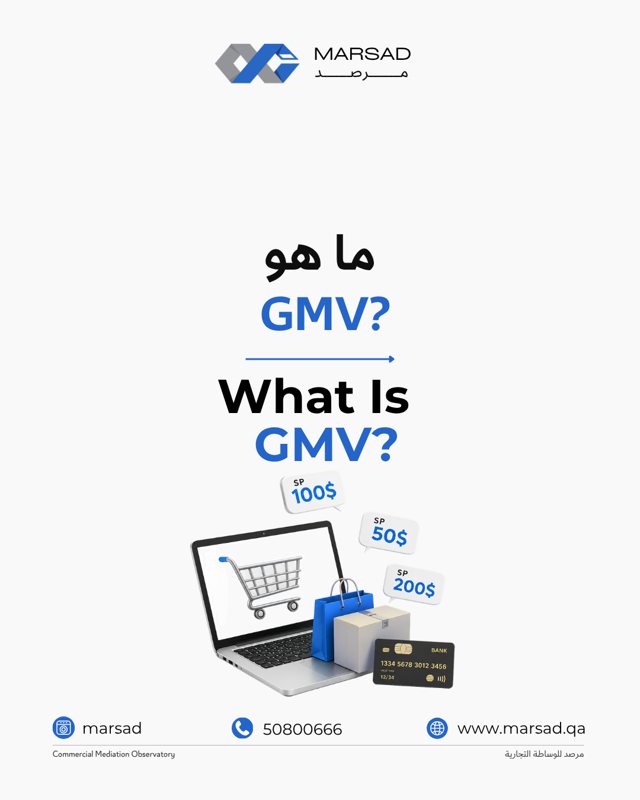
Gross Merchandise Value (GMV): Measuring Transaction Volume on Digital Platforms
A metric for the total value of goods or transactions sold through a platform or business over a set period. It is neither revenue nor profit.
Read the full article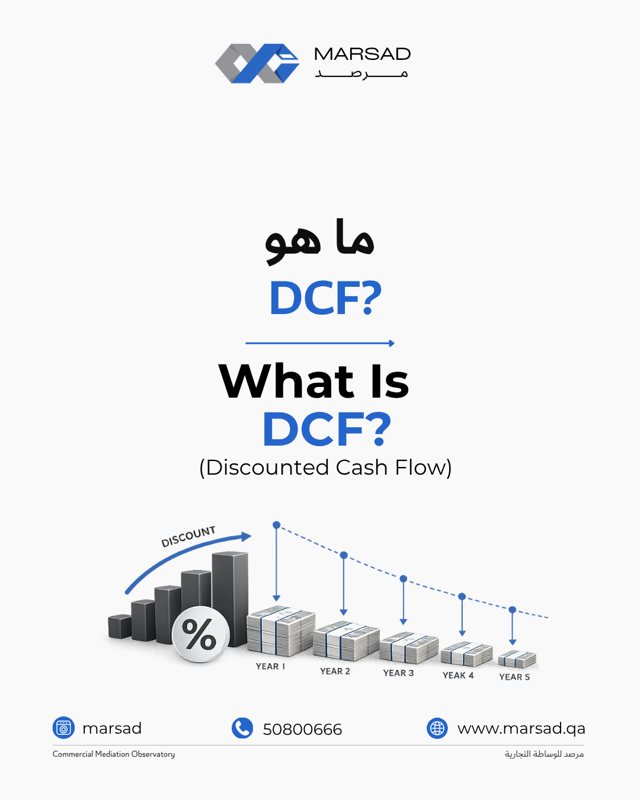
Discounted Cash Flow (DCF): Putting a Present Value on Future Money
A valuation method that estimates what a business or project is worth today by discounting its expected future cash flows for risk and required return.
Read the full articleInvestor glossary
A complete explanation of the key financial terms you will hear in any deal or funding round.
Return on Investment (ROI) is a financial metric that measures how profitable an investment is by comparing the net profit it generates with the amount invested, expressed as a percentage. Formula: ROI = (Net Profit ÷ Investment Cost) × 100. For example, investing QAR 100,000 and earning a net profit of QAR 20,000 gives an ROI of 20%. Investors rely on ROI because it puts opportunities of very different sizes on a common footing and shows quickly whether the return justifies the capital and risk involved. Its main limitation is that it ignores time: 20% over one year is far better than 20% over five. For that reason it is best read alongside annualised return, payback period and IRR.
Read the full articleA capitalization table (cap table) is a document that sets out a company's ownership structure: who the shareholders are, how many shares each holds, their percentage stake, and the funding rounds and employee stock options that affect ownership. Ownership % = (shareholder's shares ÷ total shares outstanding) × 100. For example, two founders holding 60% and 40% become 48% and 32% after an investor takes 20% through newly issued shares. Investors care because the cap table shows transparently who owns and controls the business, reveals how their stake could be diluted in future rounds, and is one of the first documents requested in any due diligence.
Read the full articleAn escrow account is a secure, neutral bank account in which a trusted third party, such as a bank or licensed escrow agent, temporarily holds funds for a transaction and releases them to the beneficiary only once agreed contractual conditions are met. There is no formula; it is a contractual mechanism: deposit, verify conditions, then release or return funds as the agreement specifies. For example, an investor committing $1 million to a project can place the money in escrow so it reaches the company only after the required documents and conditions are completed. Investors value escrow because it protects their capital, reduces fraud and counterparty risk, and builds trust by tying payment to performance.
Read the full articleA bond is a financial instrument issued by a government or company to borrow money from investors. In return, the issuer promises to pay periodic interest, known as the coupon, and to repay the principal (face value) on a set maturity date. A bondholder is a lender to the issuer, not an owner. Formula: annual coupon = face value × coupon rate. For example, a $10,000 five-year bond paying 8% returns $800 a year, with the full $10,000 repaid at maturity. Investors buy bonds for predictable income, generally lower risk than many equities and portfolio diversification. Default, interest-rate and inflation risks still apply, so the issuer's credit quality matters.
Read the full articleA Private Placement Note (PPN), also widely known as a Private Placement Memorandum (PPM), is an investment document used to present an opportunity to a limited number of qualified investors or institutions rather than to the general public. It brings together the information an investor needs to make an informed decision: an overview of the company or project, the amount being raised, how the proceeds will be used, the revenue and profit model, the management team, financial projections, potential risks and the terms of the investment. There is no formula; it is a disclosure document, not a metric. Example: a company raising $10 million from a select group of investors prepares a PPN outlining the business, expected returns, risks and deal structure. Investors care because it anchors evaluation and negotiation, although it never replaces independent due diligence.
Read the full articleEBITDA stands for Earnings Before Interest, Taxes, Depreciation, and Amortization. It measures how much profit a company generates from its core operations, stripping out the effects of financing decisions, tax regimes and non-cash accounting charges. Formula: EBITDA = Net Profit + Interest Expense + Taxes + Depreciation & Amortization. Example: a company with net profit of $1,000,000, interest of $200,000, taxes of $100,000 and D&A of $300,000 has EBITDA of $1,600,000. Investors rely on it to compare companies more fairly and as the base for valuation multiples such as EV/EBITDA in sales and acquisitions. It is not cash profit, however: it ignores capital expenditure, working-capital needs and debt repayments, so it should always be read alongside cash flow and leverage.
Read the full articleGMV stands for Gross Merchandise Value: the total value of goods or transactions sold through a platform or business over a specific period. It is widely used by e-commerce platforms, delivery apps, travel marketplaces and other digital businesses to measure transaction volume. Formula: GMV = Number of Sales × Average Product Value. Example: a platform that sells 1,000 products at an average price of $100 has GMV of $100,000; if it earns a 10% commission, its actual revenue is only $10,000. Investors watch GMV because it shows scale, growth and market traction, and it is common in startup and technology valuations. But GMV is not revenue and not profit, so it should be read alongside take rate, net revenue and profitability.
Read the full articleDCF stands for Discounted Cash Flow, one of the most widely used methods for valuing businesses, projects and investments. It rests on the idea that money expected in the future is worth less than money available today, because of inflation, risk and the returns available elsewhere. Future cash flows are therefore discounted back to present value and added together. Formula: Present Value = Cash Flow ÷ (1 + Discount Rate)^Year. Example: a project expected to generate $100,000, $120,000 and $150,000 over three years is worth roughly $302,780 today at an illustrative 10% discount rate. Investors use DCF to estimate intrinsic value and support acquisition, financing and investment decisions, although its accuracy depends heavily on the quality of the forecasts and the discount rate chosen.
Read the full articleFollow Marsad Insights
A new article in your inbox every week.